About Deep River
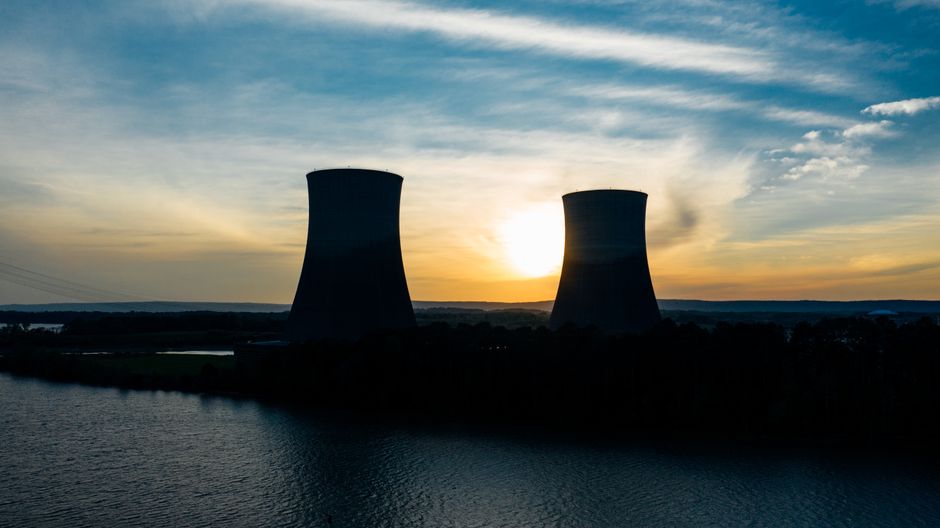
Deep River is a town of approximately 4,000 residents on the south shore of the Ottawa River, about 170 kilometres northwest of Ottawa and 90 kilometres from Pembroke on Highway 17. It is among the most distinctive communities in Renfrew County — and one of the most unusual in Ontario — because it was designed and built almost entirely as a planned community in the 1940s and 1950s to house scientists, engineers, technicians, and support staff working at Atomic Energy of Canada Limited's Chalk River Laboratories, located a few kilometres to the southeast.
The planned-community origin gives Deep River a character unlike any other Renfrew County town. The streets, lot sizes, building setbacks, and housing types were designed in advance by architects and planners employed by Eldorado Nuclear (AECL's predecessor). The result is a remarkably cohesive mid-century residential environment — Cape Cods, bungalows, and modest two-storeys predominantly built between 1945 and 1965 — that has aged uniformly. This uniformity has a direct implication for home maintenance: the challenges facing Deep River homeowners are consistent across most of the housing stock, because most homes are the same age, the same construction type, and have faced the same climate for the same number of decades.
Deep River sits further north than Pembroke, at a higher latitude on the Ottawa River, exposed to more severe winter conditions. The town receives more snow than communities to the south — seasonal snow accumulations that create meaningful structural loads on aging roof framing — and experiences Ottawa Valley temperatures that regularly reach -25°C to -30°C in January and February. These conditions amplify the consequences of insulation deficiencies and heating system inadequacies that would be merely annoying in a milder climate.
The town is on municipal water and sewer. Enbridge Gas natural gas distribution does not extend to Deep River — most homes heat with propane or electric baseboard, a legacy of the community's early design. This reliance on propane makes TSSA-licensed contractor verification particularly important and makes energy efficiency upgrades financially significant.
Housing Stock and Common Issues
Deep River's housing stock is defined by the 1945–1965 planned-community build period. The typical home is a wood-frame Cape Cod or bungalow of 900 to 1,400 square feet, often with a partial or full basement. These homes are now 60 to 80 years old and share a consistent set of maintenance characteristics.
Original Electrical Systems at End of Life
A significant portion of Deep River's planned-community housing was built with 60-amp fuse panels and early wiring systems — adequate for the electrical loads of 1950, completely inadequate for modern homes. Insurance companies are increasingly refusing coverage for homes with 60-amp service or requiring upgrades as a condition of renewal. Beyond the insurance issue, 60-amp panels cannot support modern loads: a standard heat pump installation requires a dedicated 240V circuit that a 60-amp panel simply cannot accommodate. A 200-amp panel upgrade — typically $4,000–$6,000 in Deep River, plus contractor travel from Pembroke — is a prerequisite for any significant energy retrofit and resolves the insurance issue permanently.
Uniformly Under-Insulated Attics
1940s through 1960s construction used minimal insulation by current standards. The typical Deep River home of this era has R-10 to R-20 in the attic and effectively no wall insulation — a plaster-on-lathe interior, potentially with a vapour barrier of uncertain quality, over a wood-frame wall with no insulating fill. At Deep River's northern location with propane heating, this insulation gap translates directly into high annual energy costs. A home with R-15 attic insulation in Deep River pays substantially more per heating season than the same home at R-49. Because the entire housing stock was built over a narrow time window, this deficiency is nearly universal — making Deep River one of the highest-priority communities in the county for attic insulation upgrades.
Propane System Aging
Because the housing stock was built over roughly a 20-year window, propane furnaces and water heaters installed in the same era are reaching end-of-life simultaneously. This creates demand spikes for TSSA-licensed propane service contractors — who travel from Pembroke — during the same heating seasons that everyone else wants service. Annual propane appliance service (booked in August or September, before the heating season) is more reliable and less expensive than emergency service calls in January. Propane contractors serving Deep River typically add $150–$200 in travel to any service call from Pembroke.
Heavy Snow Loads on Low-Slope Roofs
Deep River receives significantly more snow than communities further south in Renfrew County. The planned-community housing stock includes a proportion of flat and low-slope roof sections — common in mid-century modern residential architecture — that are not optimized for the snow accumulation Deep River regularly sees. Original roof framing on 60–80-year-old buildings may have been undersized for current snow load standards, or may have experienced fatigue from decades of heavy snow cycles. A structural assessment of roof framing on any Deep River home with a flat or low-pitch roof section is advisable, particularly after heavy snow years.
Contractor Travel Surcharges
Deep River's geographic isolation is the defining constraint on its contractor market. The nearest significant contractor base is Pembroke, 90 kilometres southeast on Highway 17 — a 70-to-90-minute drive depending on conditions. Most specialized contractors serving Deep River are commuting from Pembroke, adding $100–$200 in travel cost to any service call. Some tradespeople maintain periodic presence in Deep River, but most are commuting. This economic reality affects how homeowners should approach maintenance: batch work intelligently, schedule ahead, and minimize the number of individual contractor trips by combining work where possible.
Top Home Maintenance Priorities in Deep River
Attic Insulation — Highest ROI
Deep River's northern location, propane heating, and R-10 to R-20 attics represent the maximum energy penalty scenario in Renfrew County. Blown-in cellulose or fibreglass to R-49 plus air sealing at the attic floor is the standard prescription. The Canada Greener Homes Loan finances up to $40,000 of this work interest-free. Payback period at Deep River propane prices: 5–8 years.
Electrical Panel Upgrade
60-amp fuse panels in Deep River's 1940s–1960s homes create insurance problems and cannot support modern electrical loads. A 200-amp upgrade is a prerequisite for heat pump installation, EV charging, and most energy retrofit work. Plan for travel cost from Pembroke in your budget — contractor trips to Deep River add $150–$200 per visit.
Propane Annual Service
All propane systems in Deep River must be serviced annually by a TSSA-licensed G2 gas fitter or propane fitter. Book in August or September — propane contractors from Pembroke fill their Deep River schedule quickly before the heating season. A missed annual service means reduced efficiency, potential safety issues, and an emergency call at twice the cost in January.
Roof Snow Load Assessment
Deep River's heavy snowfall and the prevalence of flat or low-slope roof sections in 1950s housing create structural risk during heavy snow years. A structural engineer's assessment of any flat or low-pitch roof confirms whether the framing is adequate for current loads or whether reinforcement is needed before a heavy winter.
Metal Roof Consideration
At replacement time, metal roofing is worth serious evaluation in Deep River. Its superior snow shedding performance reduces structural load, its 50-year lifespan versus 25 for asphalt means fewer replacement cycles, and its maintenance requirements in a contractor-scarce location are lower. The higher upfront cost is partially offset by reduced long-term contractor travel expense.
The Batching Strategy for Deep River Homeowners
Deep River's isolation from contractor supply chains creates a specific maintenance philosophy that makes economic sense: batch your work. When a propane contractor makes the 90-minute drive from Pembroke for your annual furnace service, add water heater inspection and any other propane appliance checks to the same visit. When an electrician is booked for a panel upgrade, have them assess and quote all deferred electrical work while on site. When a roofer is making the trip for an assessment, have them inspect the entire roofline — not just the obvious problem area.
The cost of an additional hour of contractor time on site is trivial compared to the cost of another $150–$200 travel charge for a separate visit. Experienced Deep River homeowners maintain a running list of deferred minor repairs and assessments so that nothing is wasted when a contractor makes the trip.
This batching approach also applies to permit inspections. Municipality of Deep River building inspectors are local, but for any project requiring specialized trade inspections — ESA electrical inspections, for example — the inspector's travel must be coordinated with the contractor's availability. Build extra timeline into any permitted project in Deep River.
Grants and Energy Programs for Deep River Homeowners
- Canada Greener Homes Loan — Up to $40,000 interest-free. Deep River homeowners on propane with under-insulated 1940s–1960s homes are exactly the target demographic. Steps: (1) book EnerGuide pre-retrofit evaluation; (2) apply to the loan before starting work; (3) complete retrofits; (4) book post-retrofit evaluation to trigger disbursement. See full grants guide for current program status.
- Heat Pump Rebates — Federal and provincial incentives for cold-climate heat pump installation. Deep River's cold winters are within the operating range of modern cold-climate air source heat pumps (-25°C and below). Electrical service upgrade (200-amp panel) is a prerequisite.
- Oil to Heat Pump Affordability Program — Primarily targets oil-heated homes, but equivalent federal incentives for propane-to-heat-pump conversions may be available under broader Canada Greener Homes Initiative programs. Verify current scope with NRCan before applying.
Home Services in Deep River
- Insulation — Highest priority for Deep River's 1945–1965 housing stock; R-49+ attic is the target
- Roofing — Snow load assessment and metal roofing consideration at replacement time
- Basement Waterproofing — Older poured concrete foundations; sump pump installation
- Foundation Repair — Crack assessment for mid-century concrete foundations
- Electricians — Panel upgrades are the most common electrical project in Deep River
- Painting — Exterior maintenance on aging wood-frame cladding
- Snow Plowing — Deep River's heavy snowfall makes reliable seasonal plowing contracts essential