About Arnprior
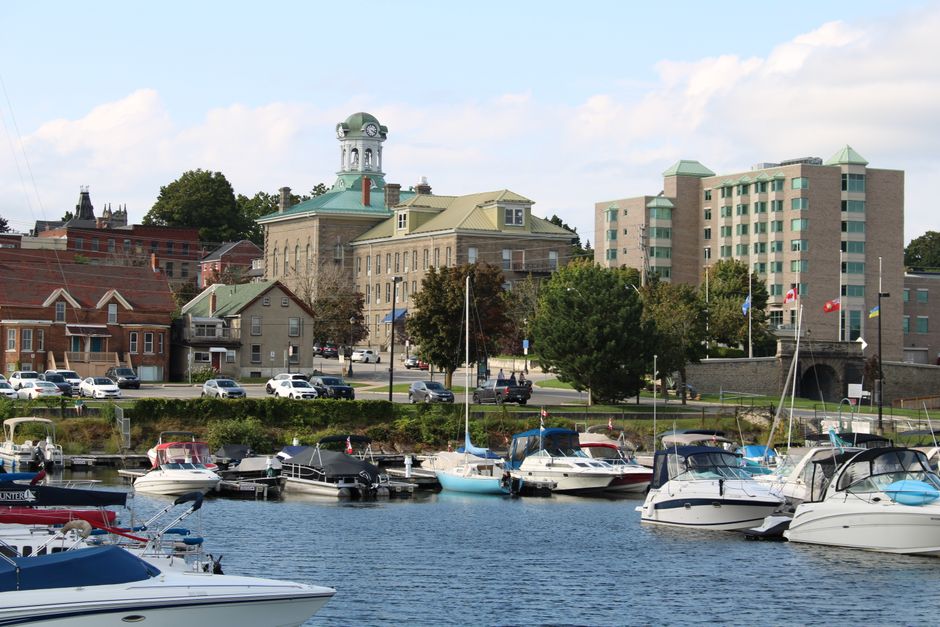
Arnprior is a town of approximately 9,000 residents at the southern tip of Renfrew County, situated at the confluence of the Ottawa River and the Madawaska River. It holds a distinctive geographic position: equidistant between Pembroke (85km north on Highway 17) and Ottawa (85km east), making it the most Ottawa-proximate significant town in Renfrew County. This proximity to the national capital means Arnprior has some characteristics of an Ottawa commuter community layered on its older identity as a self-contained market town.
The town's origin is firmly in the lumber economy of the mid-1800s. The McLachlin Brothers established major sawmill operations here in the 1830s, and the town that grew around those mills funded the substantial Victorian and Edwardian housing stock that defines the older residential neighbourhoods. McNab Street, Elgin Street, and the streets radiating from the downtown core contain brick and frame homes from this era — homes that are now 100 to 140 years old and present a maintenance profile that is distinctly different from anything built after the Second World War.
Arnprior's location at two river confluences creates both scenic appeal and practical constraints. The town sits at the junction of the Ottawa and Madawaska Rivers, with the Madawaska flowing through the middle of town. Properties near either river corridor are subject to flood plain regulations administered by the Mississippi Valley Conservation Authority (for the Madawaska watershed) and potentially the Ottawa River Regulation Secretariat for Ottawa River adjacent properties. The 2019 Ottawa River flooding — which affected communities throughout the valley — demonstrated that flood risk is not a historical footnote in this region.
Most of the town is on municipal water and sanitary sewer. Rural properties in McNab/Braeside Township and Horton Township surrounding the town are on private wells and septic systems. Enbridge Gas natural gas is available in portions of Arnprior's urban area, but coverage is not complete — older downtown properties and outlying areas often heat with fuel oil or propane.
Housing Stock and Common Issues
Arnprior's housing stock spans a wider age range than many Renfrew County communities, with Victorian mill-town core housing at one end and recent suburban development at the other. Each era presents distinct challenges.
Victorian and Edwardian Mill-Town Housing (1860–1920)
The oldest residential properties in Arnprior's core are now 100 to 160 years old. These homes — often substantial brick or frame structures funded by mill-economy prosperity — present the full suite of heritage-era maintenance challenges. Lime mortar in brick construction has typically failed after a century and needs repointing. Plaster-on-lathe interior walls have no insulation. Foundations are fieldstone or early brick with deteriorated mortar. Original windows are single-pane wood sash. Electrical systems, if not updated, may still have knob-and-tube wiring or 60-amp fuse panels. Oil or propane heating, often in original boiler rooms, needs assessment for efficiency and safety.
Flood Plain Construction Constraints
Properties within the Mississippi Valley Conservation Authority's regulated flood plain cannot have development that affects flood storage capacity without MVCA approval — in addition to Town of Arnprior building permits. This restriction applies to basement lowering, underpinning below certain grades, adding impermeable surfaces, and some exterior grading changes. Before planning any renovation on a riverside Arnprior property, check flood plain status with both the MVCA and the town building department. Non-compliance creates retroactive permit problems at property sale.
River-Adjacent Foundation Challenges
Homes built near the Ottawa and Madawaska Rivers often sit on variable soil conditions — river clay, sand, gravel, or fill deposited historically by the rivers. These conditions can cause differential settlement over time, resulting in foundation cracks, uneven floors, and racked door and window frames. Foundation cracks in Arnprior's riverside properties are more common than in areas on stable upland soils. A structural engineer's assessment (not just a waterproofing contractor's assessment) is advisable before undertaking foundation repair in riverside locations.
Victorian Wood Frame Deterioration
100-plus-year-old frame homes in Arnprior's core show characteristic deterioration: failing window surrounds and exterior trim, deteriorating wood siding where not replaced, settling that has racked door and window frames out of square, and attics where original blown-in cellulose or horse-hair insulation has settled and compressed over a century to a fraction of its original effectiveness. These are not emergency issues but they compound over time — each decade of deferred maintenance on a Victorian home adds cost to eventual remediation.
Aging Fuel Oil Systems
A significant portion of Arnprior's pre-1980 housing stock is on fuel oil heating — particularly the older downtown properties and those outside Enbridge Gas service territory. Oil tanks (above-ground or buried) have an expected service life of 20–25 years. Tanks installed in the 1990s or early 2000s are now approaching or past this threshold. A leaking or failed oil tank is not just a heating problem — it creates soil and groundwater contamination with remediation costs that can dwarf the value of the improvements causing the contamination. An oil tank inspection and condition assessment ($200–$400 from a TSSA-licensed oil burner technician) is a worthwhile investment for any Arnprior property with a tank of uncertain age.
Top Home Maintenance Priorities in Arnprior
Flood Plain Awareness
Arnprior's Ottawa and Madawaska River locations make flood risk research essential before any renovation on riverside properties. Know your flood plain status — check with the Mississippi Valley Conservation Authority — before planning basement work, additions, or grading changes. The 2019 flooding demonstrated this is an active risk, not a historical one.
Attic Insulation Priority
Victorian Arnprior homes lose enormous heat through under-insulated or uninsulated attics. Blown-in insulation to R-49 is the single highest-ROI project available — qualifying for Canada Greener Homes Loan financing and directly reducing the energy penalty of fuel oil or propane heating at Climate Zone 6 temperatures.
Oil-to-Heat-Pump Conversion
Arnprior homeowners on fuel oil should evaluate the OHPA program. The $10,000 federal grant substantially reduces conversion cost, and modern cold-climate heat pumps operate efficiently at -25°C — well within Ottawa Valley winter conditions. An energy advisor can assess whether your home's electrical service and insulation are adequate to support a heat pump before you commit.
Complex Roofline Maintenance
Mill-era homes in Arnprior have steep, complex rooflines with multiple valleys, dormers, and chimneys. Annual inspection of valley flashing, chimney flashing, and ridge condition catches failures before interior water damage occurs. A roofing contractor experienced with Victorian rooflines — not just standard suburban replacement work — is the right choice for Arnprior's older homes.
Electrical Panel Modernization
Pre-1960 Arnprior homes frequently have 60-amp fuse panels or early 100-amp breaker panels that cannot service modern loads. Panel upgrades to 200-amp service resolve insurance eligibility issues, create capacity for heat pump equipment and EV charging, and are required before most major energy retrofits can be undertaken.
Contractor Access in Arnprior
Arnprior's position between Pembroke and Ottawa gives homeowners access to two distinct contractor markets. Local Renfrew County contractors from Arnprior and Renfrew serve the town; Ottawa-area contractors — who regularly work along the Highway 17 corridor — also compete for Arnprior work. This dual-market access is generally advantageous for pricing and availability.
The flood plain complexity and heritage character of Arnprior's older properties mean local experience matters more than in communities with simpler housing stock. An Ottawa-area contractor experienced in suburban new construction may be competitively priced for a simple roofing job but completely unsuited for foundation repair in a riverside Victorian home with flood plain permit requirements. Match contractor experience to the specific project type.
For any project near the Ottawa or Madawaska Rivers, confirm with the Mississippi Valley Conservation Authority whether MVCA approval is needed before getting contractor quotes. The permit timeline — MVCA and Town of Arnprior both — needs to be built into your project schedule. Heritage properties in the downtown core may also require heritage review for exterior changes, adding additional lead time.
Grants and Energy Programs for Arnprior Homeowners
- Canada Greener Homes Loan — Up to $40,000 interest-free for insulation, windows, heat pumps, and eligible retrofits. Best used for comprehensive energy upgrades on older oil-heated Arnprior homes. Requires EnerGuide pre-retrofit evaluation; apply before work begins.
- Oil to Heat Pump Affordability Program (OHPA) — Up to $10,000 federal grant for converting from heating oil to a heat pump. Stackable with the Greener Homes Loan. Highly relevant for Arnprior's older housing stock on fuel oil.
- HER+ (Enbridge Gas) — Available to Arnprior homeowners on Enbridge natural gas. Rebates for insulation, heat pumps, and windows, stackable with federal programs.
- Accessibility Grants — Federal AAFP grants for ramps, grab bars, and barrier-free modifications. Arnprior's older two-storey Victorian housing and aging population create meaningful demand for these modifications.
Building Permits in Arnprior
Building permits for work within Arnprior town limits are issued by the Town of Arnprior Building Services department at arnprior.ca. For projects within the MVCA-regulated flood plain, Mississippi Valley Conservation Authority approval is required in addition to the town building permit.
Heritage properties in Arnprior's downtown core may require approval from the town's heritage advisory committee for exterior changes — this includes roofing material changes, window replacement, and exterior cladding work on designated properties. Confirm heritage status with the town before planning any exterior renovation on older downtown buildings.
Rural properties in McNab/Braeside Township surrounding Arnprior are permitted by McNab/Braeside Township, not the town. Confirm your permit authority based on your civic address before applying. See our Permit Portal guide for full detail on the Ontario permit process.
Home Services in Arnprior
- Insulation — Priority for Victorian and post-war Arnprior housing stock; heritage-compatible methods matter
- Roofing — Complex mill-era rooflines require experienced contractors; annual flashing inspection
- Well Drilling — McNab/Braeside Township and rural properties surrounding Arnprior
- Septic Systems — Rural properties outside Arnprior's municipal sewer service area
- Basement Waterproofing — Flood plain and river proximity make this critical; assess MVCA requirements first
- Foundation Repair — Differential settlement common near river corridors; structural engineer assessment recommended
- Electricians — Panel upgrades and rewiring for pre-1960 homes; ESA permits required
- Painting — Exterior maintenance on Victorian brick and wood-frame cladding
- Snow Plowing — Residential and commercial seasonal contracts
Nearby Areas
- Renfrew — 30km north on Hwy 17, county's southern service centre
- Pembroke — 85km north, the regional contractor hub
- Smiths Falls — 65km southeast, Rideau Canal heritage town
- Cobden — 55km northwest via Hwy 17